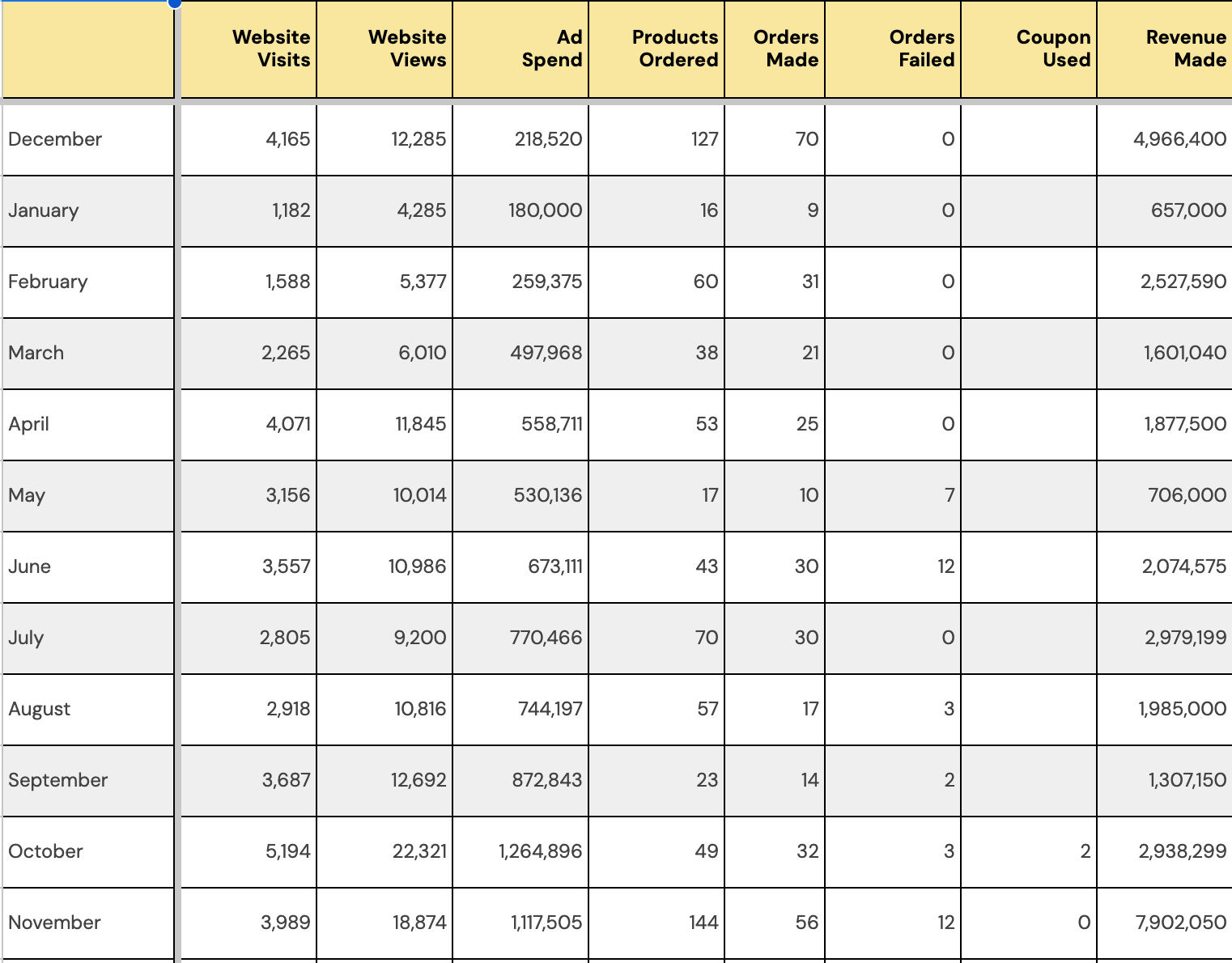


For months, the business was doing everything right on the surface.
The products were solid. Customers loved them offline. The Instagram page looked good, engagement was steady, and the website was live.
But online sales were inconsistent. Some weeks were good. Others were painfully slow. Results felt random — more like luck than a repeatable system.
That’s when we stepped in with the following framework
Below, we’ll look at the exact framework we used to turn unstable performance into measurable growth — and how you can apply the same thinking to your own online shop.
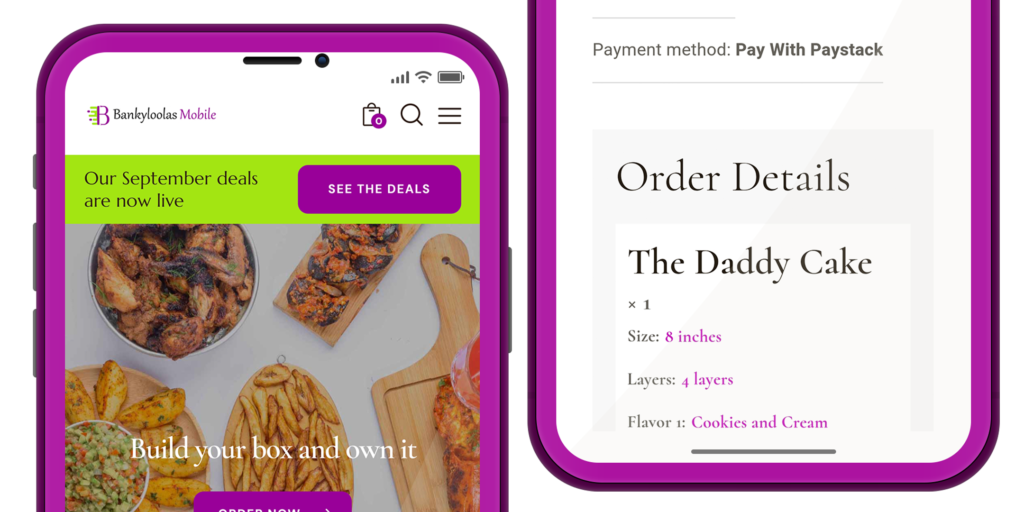
1. Optimize Your Website
What We Did:
We improved site loading speed, simplified navigation, optimized mobile responsiveness, and reduced checkout friction to make buying feel effortless. This was not a one off, it was continuously worked on week in week out. Everything we could do to make it easier for customers to find and order products was done.
Why We Did It:
A slow or confusing store silently kills conversions. When users struggle to navigate or wait too long, interest fades before purchase intent forms. Great products don’t sell on bad experiences. Store optimization builds trust, reduces hesitation, and helps customers move confidently toward checkout.
What You Can Do:
Reduce mobile load time below three seconds and simplify checkout to three steps or fewer.
What You Can Expect:
Higher checkout completion rates and significantly lower cart abandonment.
2) Cleaning Facebook Business Manager
What We Did:
We removed or appropriately renamed unused ad accounts, duplicate pixels, outdated catalogs, and implemented a clear naming structure across all retained assets.
Why We Did It:
Messy ad infrastructure creates tracking errors and poor optimization signals. Clean systems help ad platforms learn faster and deliver ads more efficiently. Clarity behind the scenes directly impacts performance in front of customers.
What You Can Do:
Audit your Business Manager, remove duplicates, and adopt one clear naming convention for accounts, campaigns, catalogs, and pixels.
What You Can Expect:
More reliable conversion data and fewer setup errors during campaign launches.

3) Setting Up a Lean Marketing Team
What We Did:
We created a small, focused team using one shared WhatsApp group for real-time communication and fast decision-making. The core goal for this team was two pronged. One was to engage customers consistently on social media and the other was to expedite actions that ensure we have as minimal failed orders as possible.
Why We Did It:
Small teams move faster. Clear ownership reduces delays and prevents issues from lingering while approvals move slowly across channels. Alignment ensures problems are addressed early — before they turn into lost revenue.
What You Can Do:
Centralize communication into one channel and schedule brief daily or weekly check-ins.
What You Can Expect:
Faster execution, clearer priorities, and fewer miscommunications. Happier Customers. More Conversions

4) Establishing a Base Ad Budget
What We Did:
We agreed on a fixed daily ad spend with defined performance benchmarks and clear priorities before launching campaigns. This ensured we were clear about what needs to be done at a minimum, act fast and be more effective.
Why We Did It:
Advertising algorithms require consistency to learn. Random spending patterns confuse delivery and lead to unstable results. Budget clarity also prevents emotional decision-making during short-term dips.
What You Can Do
Set a realistic daily budget and commit to running it consistently for learning periods.
What You Can Expect
More stable performance and faster identification of winning ads.
5) Launching Strategic Ads
What We Did:
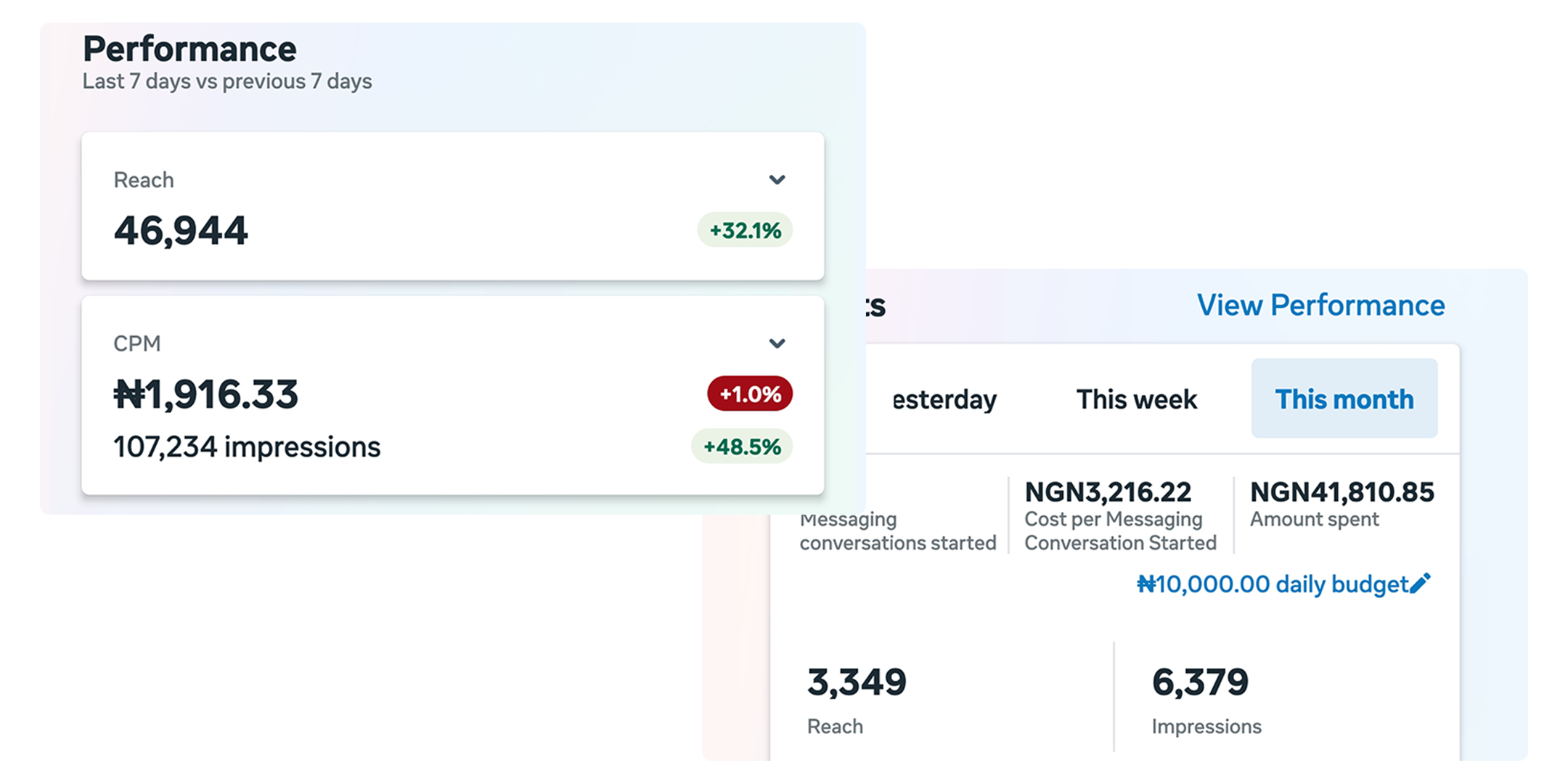
We tested multiple creatives, formats, captions, CTAs, and placements to identify what resonated most with the audience.
Why We Did It:
No one knows what will work until ads go live. Testing replaces assumptions with data-driven insights about customer behavior. Diverse testing allows algorithms to discover unexpected demand pockets.
What You Can Do:
Test raw phone-shot videos alongside polished creatives and rotate CTAs like “Shop Now” and “Learn More.”
What You Can Expect:
Clear insight into which creatives consistently drive sales.

6) Reviewing Ad Performance Frequently
What We Did:
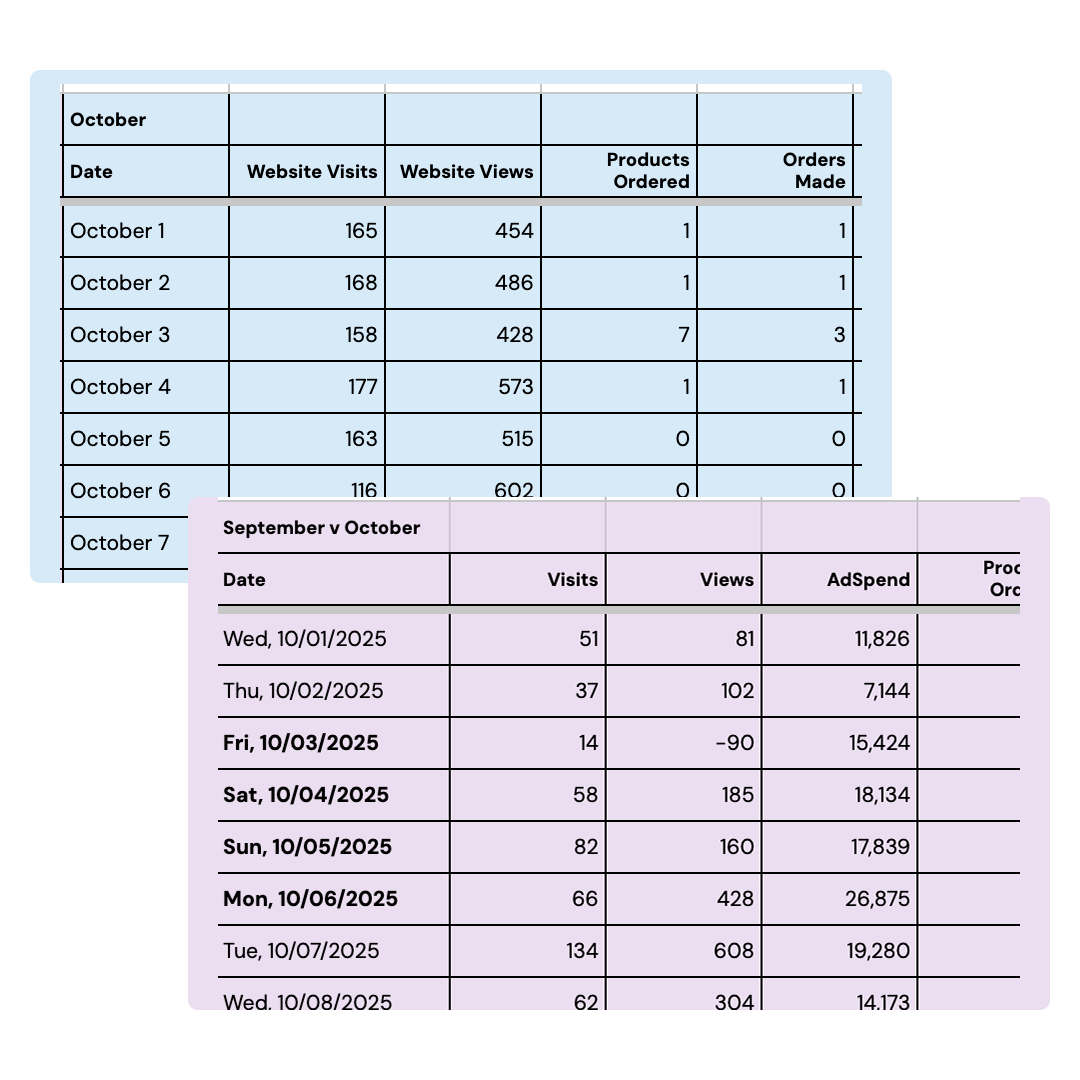
We reviewed tactical ad performance every two to three days and conducted deeper strategic reviews weekly.
Why We Did It:
Frequent reviews prevent slow budget leaks and allow winning ads to be scaled before performance plateaus.
Small, timely adjustments compound into meaningful growth over time.
What You Can Do:
Pause weak ads early and gradually increase spend on top performers.
What You Can Expect:
Better budget efficiency and faster revenue gains.
7) Building a Follow-Up System
What We Did:
We combined automated emails with personalized WhatsApp follow-ups for abandoned carts and customer inquiries.
Why We Did It:
Most abandoned carts come from hesitation, not rejection. Direct conversations address doubts faster than automated messages. Human interaction builds trust and recovers lost revenue without extra ad spend.
What You Can Do:
Respond quickly to cart abandonment and buying questions via chat.
What You Can Expect:
Higher cart recovery rates and fewer undecided buyers.
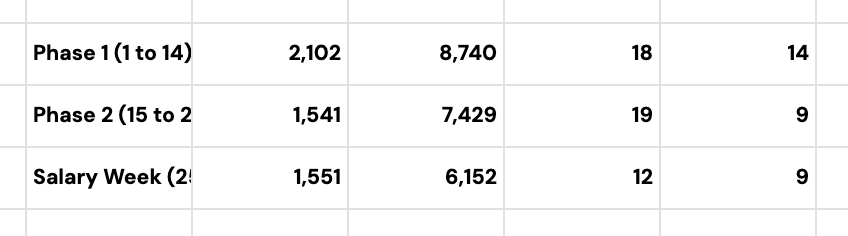
8) Tracking Weekly Numbers and Celebrating Wins
What We Did:
We tracked core metrics weekly and shared progress with the team to maintain momentum.
Why We Did It:
Weekly tracking keeps decisions grounded in data rather than emotional reactions to daily fluctuations.
Celebrating small wins sustains consistency during slow periods.
What You Can Do:
Review weekly performance trends and adjust incrementally.
What You Can Expect:
Stronger team morale and fewer panic-driven strategy changes.
Final Thought
Most online shops don’t struggle because of one big mistake. They struggle because several small gaps compound quietly across systems. Our framework and processes ensured that we continually saw what was going on at least on a weekly basis and take smart decisions that gradually helped to improve our client's revenue.
Growth comes from identifying and fixing the right few issues — not doing more.